Autumn/Winter 2025 Newsletter
Cornish Tin News Update
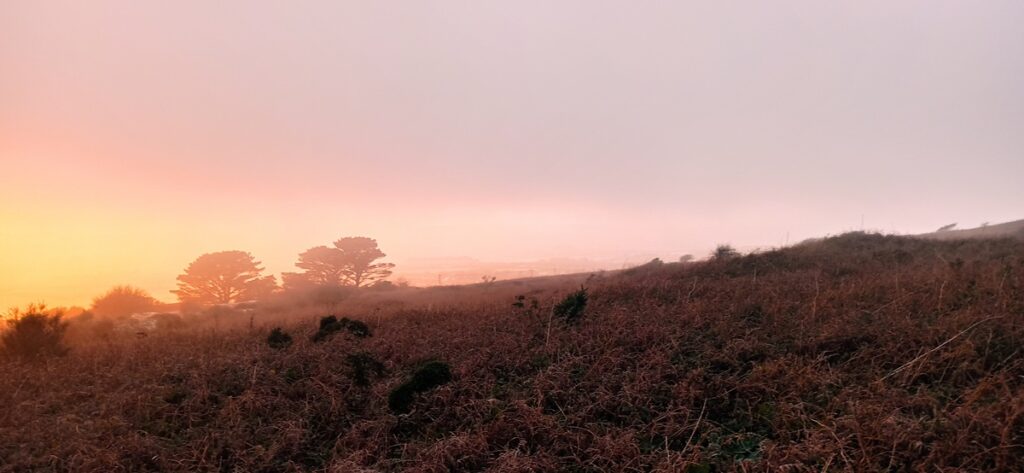
Cornish Tin have sent out an email newsletter regarding their exploration Phase 3 drilling in the Tregonning South exploration area – they seem to be focussing on Lithium and have found sheets of Lithium enriched aplite-pegmatite at depths between 5.31 & 6.8 meters – we wonder what method of extraction would be used for minerals at such shallow depths… we also wonder with recent advances in battery technology whether Lithium will be quite as much in demand as they seem to think…See Nimby’s corner below for more thoughts on this…
UK rare earths plant at Saltend Chemicals Park plan cancelled

In a sign that the UK’s recent hype over minerals is coming face to face with the global reality of world mineral markets, one of the country’s biggest mining companies has abandoned plans for a £250m rare earth mineral processing facility on the Humber. The company has decided instead to move its refining operations to the US. The plant was to have received millions in government funding and the promise of 126 jobs in the area. Full story on Sky News.
Water Monitoring and Riverfly
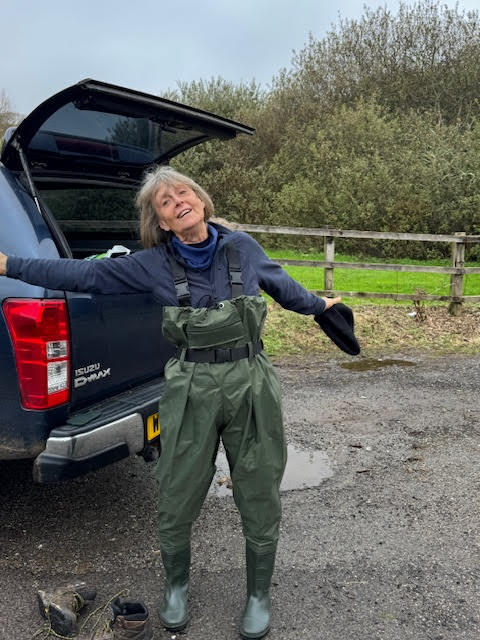
Members of the Great Wheal Vor Community and Environment Group recently underwent training to monitor the biodiversity of our local rivers. In the future we will be actively monitoring the health (or otherwise!) of our local watercourses, in addition to the regular testing of the water for heavy metals and other pollutants. Keep an eye on our website for updates on our water monitoring.
The Secret Life Of Local Bats
As a group, we have started looking into surveying our local area to see what the local bat population is like.
We are lucky to have eighteen species of bats in the UK.
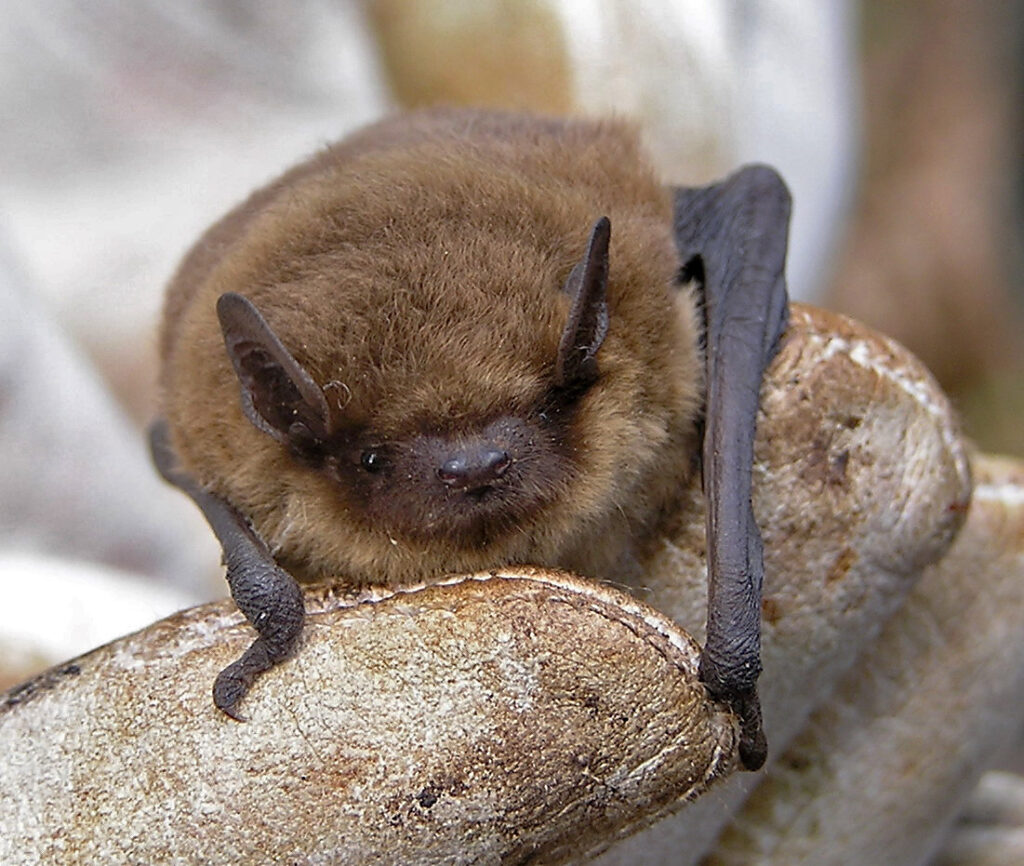
Seventeen of these species breed in the UK (that’s a quarter of our mammal species). Sadly bat populations have suffered a serious decline during the last century.
Bats are the only true flying mammal. They don’t make nests but choose places to roost. In summer, female bats gather in a maternity roost to have their babies. A bat’s pregnancy lasts 6-9 weeks. They usually give birth to a single baby (called a pup) each year. They keep their babies close and nurture them carefully. The young are suckled by their mother for 4-5 weeks until they are old enough to fly.
In the winter, bats have hibernation roosts.
All the UK bats eat insects. As bats fly through the night their echolocation calls bounce off landscape features, helping them to find their way from their roosts and foraging habitats.
If you are interested in finding out more about bats contact your local bat group. Cornwall bat group has a Facebook page.
Nimby’s Corner
It is sometimes difficult to appreciate in our small corner of Europe just how quickly technological change is happening in the rest of the world. This is even more difficult in the mature economy of the UK burdened with an ageing infrastructure and poor culture of investment.
In the meantime, as a result of indecisive governance and a lack of awareness of these technological changes, we committed environmentalists in Cornwall await the soothsayers and the crystal ball gazers to decide which part of the county the miners will dig up in pursuit of so-called critical minerals.
But wait! Let’s look at some facts. Throughout our history these forecasts have invariably been wrong and in these most disruptive of times they are proven to be wrong in both the type of mineral resource and in the volumes they predict.
Two contemporary examples spring to mind. Not so many years ago, science realised that the lithium mineral had the energy density to drive an electric motor capable of replacing an internal combustion engine running on fossil fuels. This fact got miners throughout the world very excited particularly because the mineral possessed the quality of being rare enough to be valuable but common enough to potentially exist in many parts of the world.
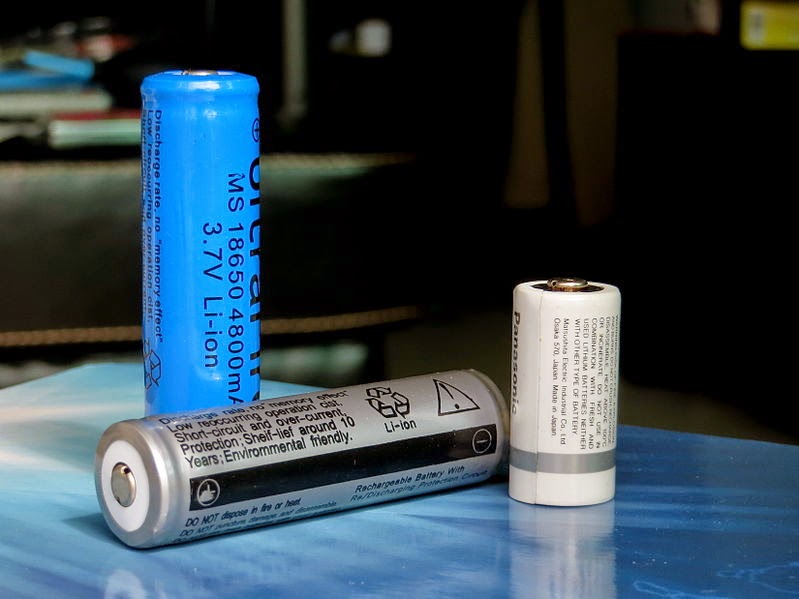
For us this led to the birth of Lithium mining projects throughout the county. (Cornish Lithium project 10000 tonnes per year of battery grade lithium) But now in 2025 this situation has fallen victim to a disruptive event so typical of the times we live in.
Both China and the US in 2026 will launch vehicles powered by batteries with a sodium and aluminium base whose characteristics render lithium obsolete. Such chemistry will also likely replace lithium as a mineral suitable for static energy storage facilities that now form a key element of the energy transition.
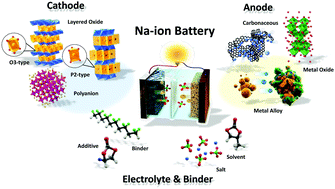
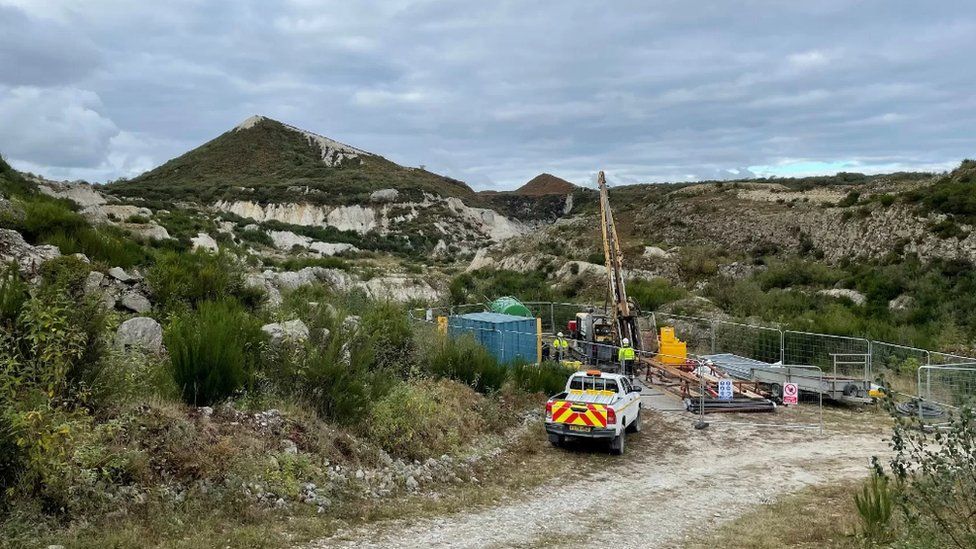
2025 also saw the arrival in the UK of the National Wealth Fund’s 31million pound grant to support the lithium hard rock mining project at St Austell and a further lithium exploration project started near Breage by Cornish Tin. No further comment needed!
Second example is the current ‘hue and cry’ over rare earth metals that the Critical Mineral lobby tell us we must source or face imminent doom. Quietly, a new British company, an offshoot of Newcastle University is attracting worldwide attention for successfully producing electric motors that dispense with the need for rare earth metals. The list of new developments that dramatically change the ‘critical metals’ landscape continues, with quantum technology potentially impacting the consumption of tin and copper by up-cycling and wireless technology.
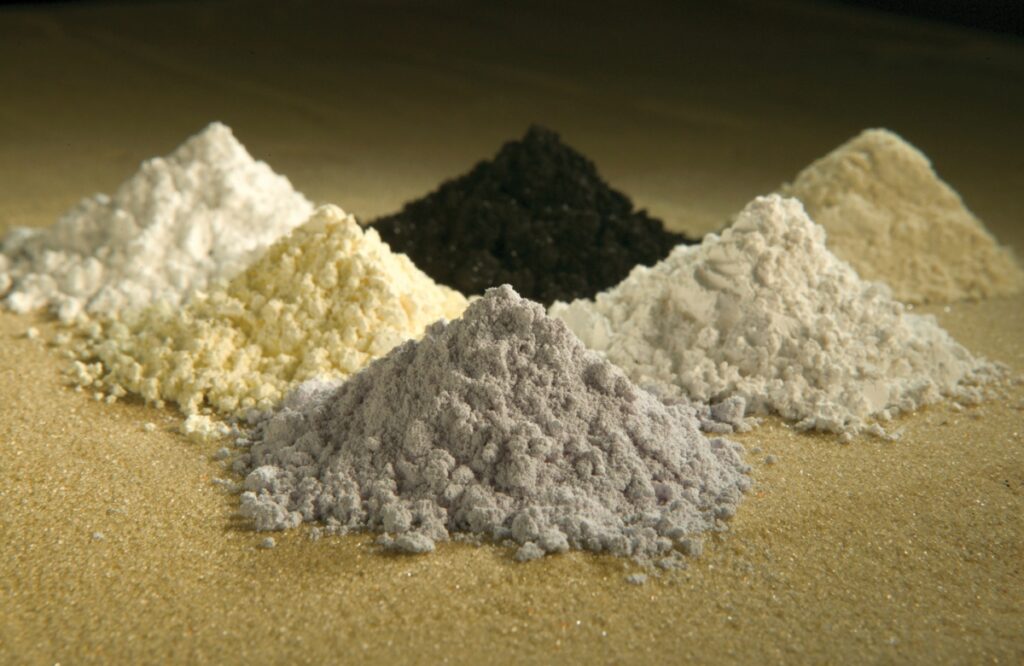
oxides By Peggy Greb, US department of agriculture – http://www.ars.usda.gov/is/graphics/photos/jun05/d115-1.htm, Public Domain, Link
Ultimately, it is the vagaries of the worldwide mineral market, the pace of technological change and the impact of AI on efficiency that will spell the death knell to future long-term deep mining in our county. The professional investment community know this only too well.
History dictates that science will always find solutions and we should not allow pressures from governance and industry to bully our local community into accepting the destruction of our environment by mining projects that fail to accept reality or planners who fail to understand the true cost of mining.
What do you think? Why not join the debate? – We would love to hear from you.
Email us: contact@protectwhealvor.org
Recycling in times gone by
The following is a short extract from “Swift To Tell” by Nancy Titman, Nancy wrote the book, her first book, when she was well into her nineties and it tells of her early life in Deeping St James in south Lincolnshire, it’s reproduced here by kind permission of her Daughter Mrs Anthea Wray, Nancy died in March 2025 at 106 years of age.

Recycling
Paper was not in such plentiful supply in those far off days before the age of jiffy bags and cellotape, and all parcels were dispatched wrapped in brown paper and tied with string, usually well knotted for safety. My mother carefully untied the most tight and stubborn of knots and saved the string for further use; the brown paper was kept to wrap some other parcel, so it might have three or four addresses hidden in the folds before it was consigned to a more humble use.
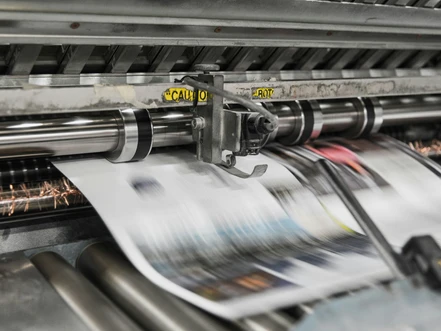
Newspapers were a vital commodity before the days of radio and television. We relied on them for news, both national and local, and they were read avidly. They were all broadsheets, the most popular nationals being the Daily Express, Daily Mail, Daily Herald and the News Chronicle, which all cost 1d, while the Stamford Mercury, Peterborough Advertiser and Spalding Free Press ‘two pennies and no less’, gave detailed reports of all local happenings, weddings, funerals, magistrates court cases, accidents, sales and much, much more. Among the Sunday papers the News of the World gave the scandal, which in those days was chiefly about divorce and the causes of it! As pieces of newspaper were folded and cut to make toilet paper it was maddening to read an interesting snippet while seated, but not to know the end of the story. Newspapers were also accepted at the fish shop for wrapping up the chips or a ‘piece and pennyworth’. Plain postcards were a popular mode of communication because the postage for them was 1d whereas to post a letter cost three halfpence. Cut into strips these made excellent spills for lighting the pipe – or keeping it going – my father always called them ‘spells’ and used a great many, which saved matches.
Most people wore hand knitted jumpers, cardigans or pullovers. These garments wore out at the cuffs, collars and elbows so needed frequent darning. Often the whole garment was pulled down, the good wool skeined, washed and tightly wound to get rid of the crinkles so that it was ready to be made into something else. Hand knitted socks and stockings wore out at the heels and toes and after being darned a great many times they were cut off above the ankle. Then the stitches of the leg were picked up on three steel needles ready for the sock to be refooted. By this time the shop had sold out of matching wool and even if an efficient housewife had saved a couple of ounces of the original wool for just such a purpose, when reknitting began, the leg had been washed so frequently that the colour was well faded, so there was always a sharp contrast between the old leg and the new foot! Those who can remember, will recall the satisfaction of turning a heel or fashioning a neat toe on four No. 13 steel needles.
Pieces of old washing line made good skipping ropes, bits of net curtain on a wire made a fishing net while most boys had a truck made out of a wooden box and some old wheels. Mineral water bottles had a deposit on them so they were always returned to the pub or shop where the money could be reclaimed, and jam jars were sometimes enough to gain admission to the flea pit at the pictures.
String tied up many gates and old bedsteads filled gaps in the hedge. There were no dustbins or collections of rubbish in the village; normally there wasn’t much waste because anything edible went to feed chickens or pigs. Other rubbish was burnt on the bonfire and tins were buried in a pit in the garden. Compared with the standards of today we were sadly deprived in the 1920s but of course we didn’t know otherwise and accepted all the economy and recycling as normal.
Upcoming Local Events


FINALLY WE NEED YOUR HELP!
We are increasing our water monitoring of the local watercourses and we are looking for two enthusiastic people, interested in all things aquatic, to help us in our field research on a one day per month basis. As with all of us volunteers there is no financial reward – just the knowledge that you will be helping us protect our waters and wildlife in Cornwall. — If you know someone who may be interested please let us know through the contact page on our website
Stay In Touch
If you want to tell us about your upcoming event, or if you are considering becoming a member and actively supporting our campaign to stop mining and the destruction of our local environment, or have any queries please head over to our contact page.
If you’d like to hear more local news and events from the Breage Parish area then feel free to sign up for our free mailing list.
Share this article: